
Shuki ken 手起拳
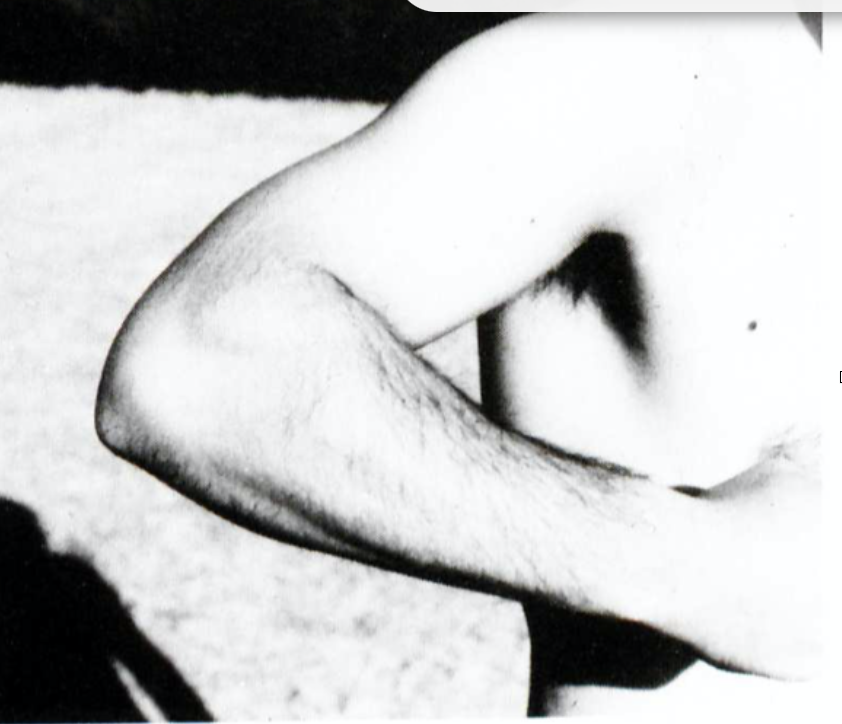
“The rising arm strike”, the elbow strike
Photo: Masaaki Hatsumi, Togakure, 1983, p. 57
Level: Kyū
Source: TenChiJin
“Masaaki Hatsumi, TCJ, 1987: 肘関節を用う 肘関節を多方に用う。 一応六法それに両手起拳練習。
Translit.: Chūkansetsu o yō[/mochiu]. chūkansetsu o tahō ni yō[/mochiu]. Ichiō roppō soreni ryōte shuki ken renshū.
Masaaki Hatsumi, 1983: 肘関節を拳として用いる。 肘関節は実戦には非常に有効である。女性でも肘鉄砲をくらわすというぐらい有効であるから、男子がこれを変化無想、自由自在に使うならば、強力な拳となる。
Translit.: Chūkansetsu o ken to shite mochiiru. Chūkansetsu wa jissen ni wa hijō ni yūkōdearu. Josei demo hijideppō o kurawasu to iu gurai yūkōdearukara, danshi ga kore o henka musō, jiyūjizai ni tsukaunaraba, kyōryokuna ken to naru.”
Translation by Fluffy Tail: Use the elbow joint. Use the elbow joint in many directions. There are 6 methods all in all, and [also] practice the shuki ken with both hands [at once].
Use the elbow joint to strike. Elbow joints are very effective in combat. Even women can strike with elbow very effectively, men can do variation of this trike produced [even] without intent [musō]. When it is used freely and at will, it can become a very powerful strike.
Tipps from the Masters :
Arnaud Cousergue: rotate the forearm on impact to protect bones from injury.
Carsten Kühn, Kukishinden Ryū, p. 20: “Shuki Ken (Ellbogenstoss). Eine Waffe des Armes, deren Wucht beim Auftreffen selbst durch gepanzerte Stellen wirkt. Mit Shuki Ken werden meist Gelenke und die Wirbelsäule anvisiert.“